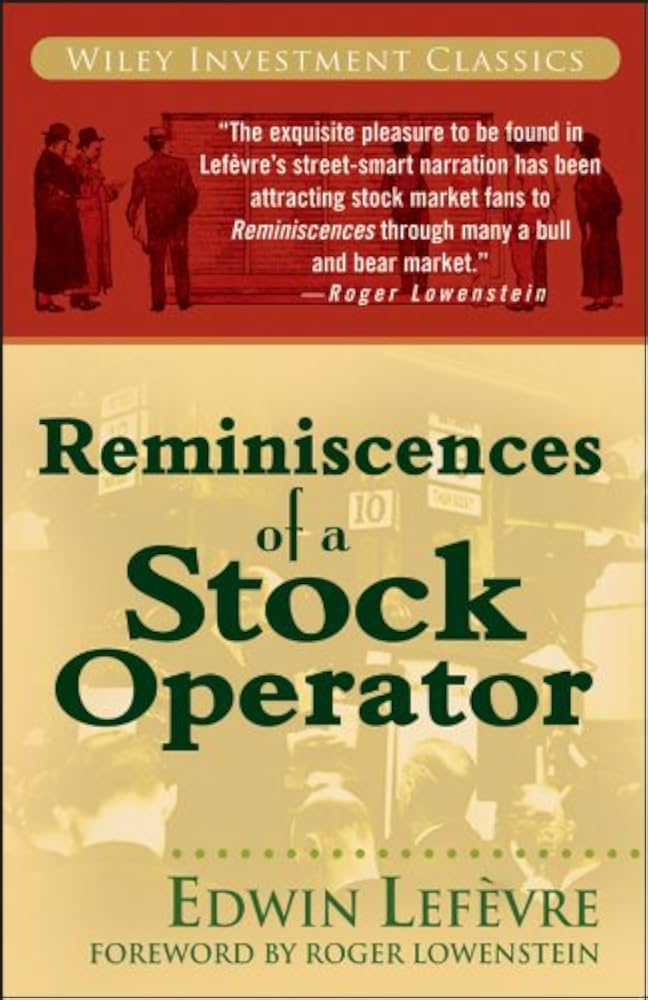
Reminiscences of a Stock Operator: Wall Street’s Master of Speculation – Insights from the Legendary Stock Trader Jesse Livermore shows that although financial markets have evolved over time, recurring patterns can still be observed.
One explanation for this is that the human behavior behind the markets remains surprisingly consistent. Ignorance, fear, greed and hope continue to influence investors just as they did in Larry Livingston’s time, or rather, in the time of Jesse Livermore, the legendary trader who inspired the character and is often considered a pioneer of day trading.
Reminiscences of a Stock Operator shows that no one, not even the most experienced traders, have discovered a perfect formula for understanding or consistently beating the market. This uncertainty is what makes investing so challenging yet fascinating: Every market environment creates new decisions to make, even when the underlying human behaviors are familiar.
Key takeaways:
1. Trading is highly psychological: We often assume that the best traders are those with the strongest technical knowledge. However, the book highlights that even highly-skilled traders can struggle with their own emotions. Livingston identifies ignorance, greed, fear and hope as the speculator’s main enemies. Ignorance can lead to poorly-informed decisions, greed to excessive risk taking, fear to selling profitable positions too early and hope to holding losing positions for too long. These emotions cannot be eliminated, but traders must learn to recognize and control them. One of the book’s most important lessons is that success in the stock market depends not only on intelligence, but also on discipline, method and emotional control.
2. Patience is essential: As day trading becomes increasingly popular, many investors feel pressured to buy and sell positions constantly to make large profits. However, Livingston reminds us that “it was never my thinking that made the big money for me. It always was my sitting.” Once a strong position has been identified and the market continues to confirm it, patience can be more profitable than frequent trading. Holding a position for several days without making new transactions may therefore be a rational decision. This requires discipline, careful timing, and the ability to control the urge to act constantly.
3. Do not rely on trading tips: Nowadays, social media is full of trading tips, strategies and courses promising large profits in the stock market. These may be especially appealing to beginner traders or people with little financial knowledge. According to Livingston, “nobody can make big money on what someone else tells him to do.” Relying on tips makes investors dependent on the person who provided them. Even if that person is well informed, investors should still develop their own reasoning and conduct their own research before entering a position. Otherwise, they may not know when that reasoning is no longer valid or when it is the right time to sell. Livingston also explains that investors should develop their own understanding of the market, even if it takes time, rather than relying on someone else’s judgment.
“There is nothing new in Wall Street. Whatever happens in the stock market today has happened before and will happen again.” – Edwin Lefèvre
What I liked
The book uses concrete, real-life experiences rather than abstract rules. The main character shares both his gains and losses, which gives readers a realistic view of the financial markets. The psychological and behavioural lessons remain relevant today, more than 100 years after the book was published. Some chapters also provide a clear understanding of how stock operators manipulated the market at that time.
What could be better
The chapters can feel repetitive, as the same lessons about patience, cutting losses and emotional control appear several times. Some terms are outdated and no longer reflect how today’s stock market operates, such as “bucket shops” and “tape reading.” Although the conclusions are interesting, they are mainly based on the experience of one exceptional speculator and may not apply equally to all investors.
Who should read this book
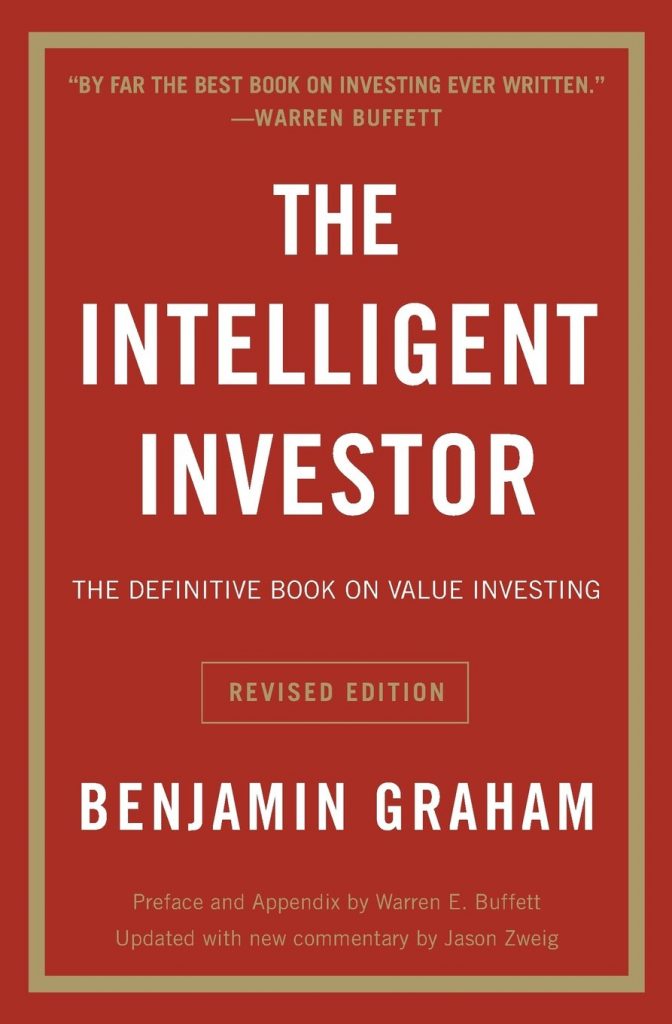
This book would be especially valuable for finance students and beginner investors who want to learn more about the history of the stock market, its evolution and the people who shaped it. Jesse Livermore’s story offers an interesting perspective on speculation and trading psychology. The book also reminded me of The Intelligent Investor by Benjamin Graham, another well-known book about investing.
Final verdict
I would recommend this book because it offers an interesting perspective on the evolution of the stock market and provides many lessons based on the experience of a famous trader. Some sections are quite repetitive and certain concepts are outdated, but as someone who is interested in financial markets and is considering a career in trading, I found the book very relevant.